Essential Things to Know About Paint Protection Film Installation
Paint protection film (PPF) installation is a popular method for preserving a vehicle’s exterior by shielding it from scratches, chips, and environmental damage. Understanding the essential aspects of this process can help car owners make informed decisions and ensure the best results. Paint protection film is a clear, durable layer applied to the painted surfaces of a vehicle. It acts as a barrier against road debris, UV rays, bird droppings, and other elements that can degrade or damage automotive paint over time. The installation process requires precision and expertise because improper application may lead to bubbles, peeling, or uneven coverage.
Before installation begins, thorough cleaning of the vehicle’s surface is crucial. Any dirt, grease, or residue left on the paintwork can interfere with adhesion and cause imperfections under the film. Professionals usually wash and decontaminate the car extensively to create an ideal surface for bonding. Some installers also perform minor paint correction if needed to remove swirl marks or oxidation so that the final finish appears flawless beneath the protective layer.
The type of paint protection film chosen matters significantly in terms of durability and appearance. There are various grades available ranging from standard films to premium versions with self-healing properties that allow Next Level Auto Boutique minor scratches to disappear with heat exposure from sunlight or engine warmth. Thicker films generally offer better impact resistance but might be more noticeable on edges compared to thinner options designed for discrete coverage.
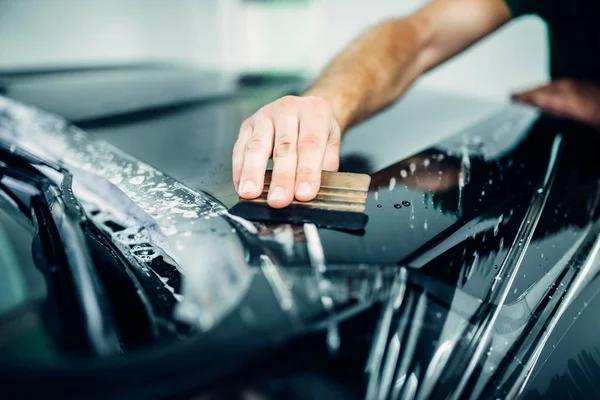
Installation typically involves cutting custom patterns tailored specifically for each vehicle model and part such as hoods, fenders, bumpers, mirrors, or door edges where damage often occurs first. Skilled technicians use specialized tools like squeegees and heat guns during application to stretch and conform the film smoothly without trapping air bubbles underneath. Edges must be carefully tucked in or sealed properly since exposed ends increase vulnerability to lifting over time.
Curing time after installation varies depending on temperature and humidity but usually takes at least 24 hours before washing or exposing the car heavily outdoors is recommended. During this period it’s important not to touch or disturb areas where adhesive has not fully set.
Maintenance after applying PPF involves regular washing using gentle methods rather than abrasive cleaners which could degrade both paint underneath as well as protective qualities of the film itself. Avoiding automatic car washes with harsh brushes helps prolong its lifespan while periodic inspections ensure no lifting edges need attention before they worsen.
Ultimately investing in professional paint protection film installation preserves your vehicle’s resale value by maintaining its showroom condition longer while reducing repair costs associated with everyday wear-and-tear damages on painted surfaces. Selecting experienced installers who follow manufacturer guidelines guarantees optimal performance from this advanced automotive safeguard solution throughout its intended service life span.
Next Level Auto Boutique
938 Senate Dr, Dayton, OH 45459
937-912-5020