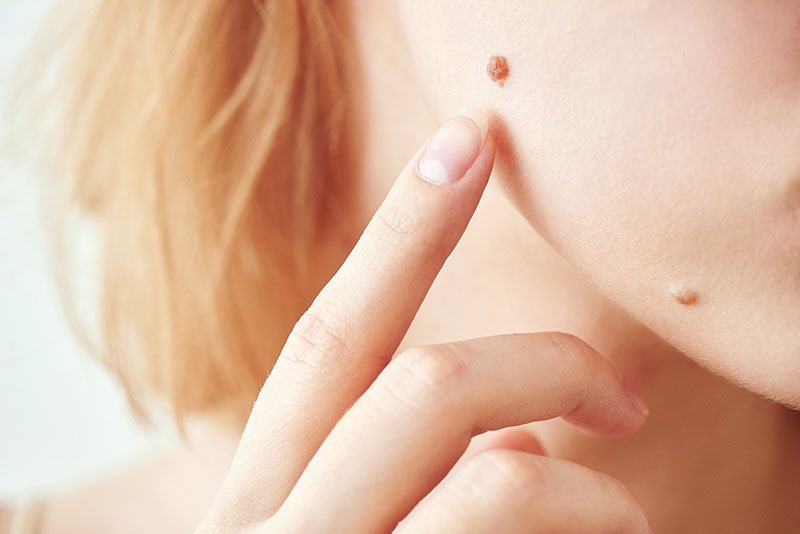
Mole Removal on Neck, Arms, and Body
Moles are common skin growths that can appear anywhere on the body, including the neck, arms, and other areas. While most moles are harmless and do not require medical treatment, some individuals choose to have them removed for cosmetic reasons or due to concerns about potential health risks. Mole removal is a straightforward procedure that can be performed by dermatologists using various methods.
The decision to remove a mole may arise from different motivations. Aesthetically, moles can be considered unsightly or inconvenient, especially if they catch on clothing or jewelry. Additionally, changes in a mole’s appearance—such as alterations in size, shape, color, or texture—can signal potential malignancy and warrant medical evaluation. A dermatologist should assess any suspicious moles to determine whether removal is necessary.
There are several techniques available for mole removal. One of the most common methods is surgical excision. This procedure involves numbing the area with local anesthesia before cutting out the mole along with a margin of surrounding tissue to ensure complete removal. The wound is then closed with stitches if necessary. Another technique is shave excision, where the mole is shaved off flush with the skin surface; this method typically does not require stitches.
For smaller moles that do not raise concern for cancerous changes, laser therapy might be an option. This approach uses concentrated light beams to break down pigment within the mole without damaging surrounding tissue significantly. It’s often preferred for its precision and minimal scarring post-procedure.
Cryotherapy represents another alternative where liquid nitrogen is used to freeze off superficial moles effectively; however, it may not be suitable for deeper lesions as complete penetration might prove challenging.
Electrosurgery employs high-frequency electrical currents applied through specialized equipment designed specifically toward removing unwanted growths such as benign nevi (mole). By utilizing cauterization techniques alongside curettage procedures during initial stages involving scraping away outer layers carefully under direct supervision provided by trained professionals only ensures maximum safety levels maintained throughout entire process itself!
Post-removal care depends largely upon chosen technique but generally includes keeping treated area clean/dry while avoiding exposure sunlight until healing fully occurs over time naturally enough so no complications arise later down line unexpectedly whatsoever either way possible given circumstances involved click here today now always remember importance consulting healthcare provider first foremost whenever considering undergoing any kind related intervention like this one discussed above primarily aimed improving overall quality life ultimately benefiting everyone concerned equally much needed indeed!